
A world where food is valued, not wasted
At Second Helpings, we are dedicated to ensuring that no food is wasted within our local area and that every member of our community has access to both nourishment and dignity.
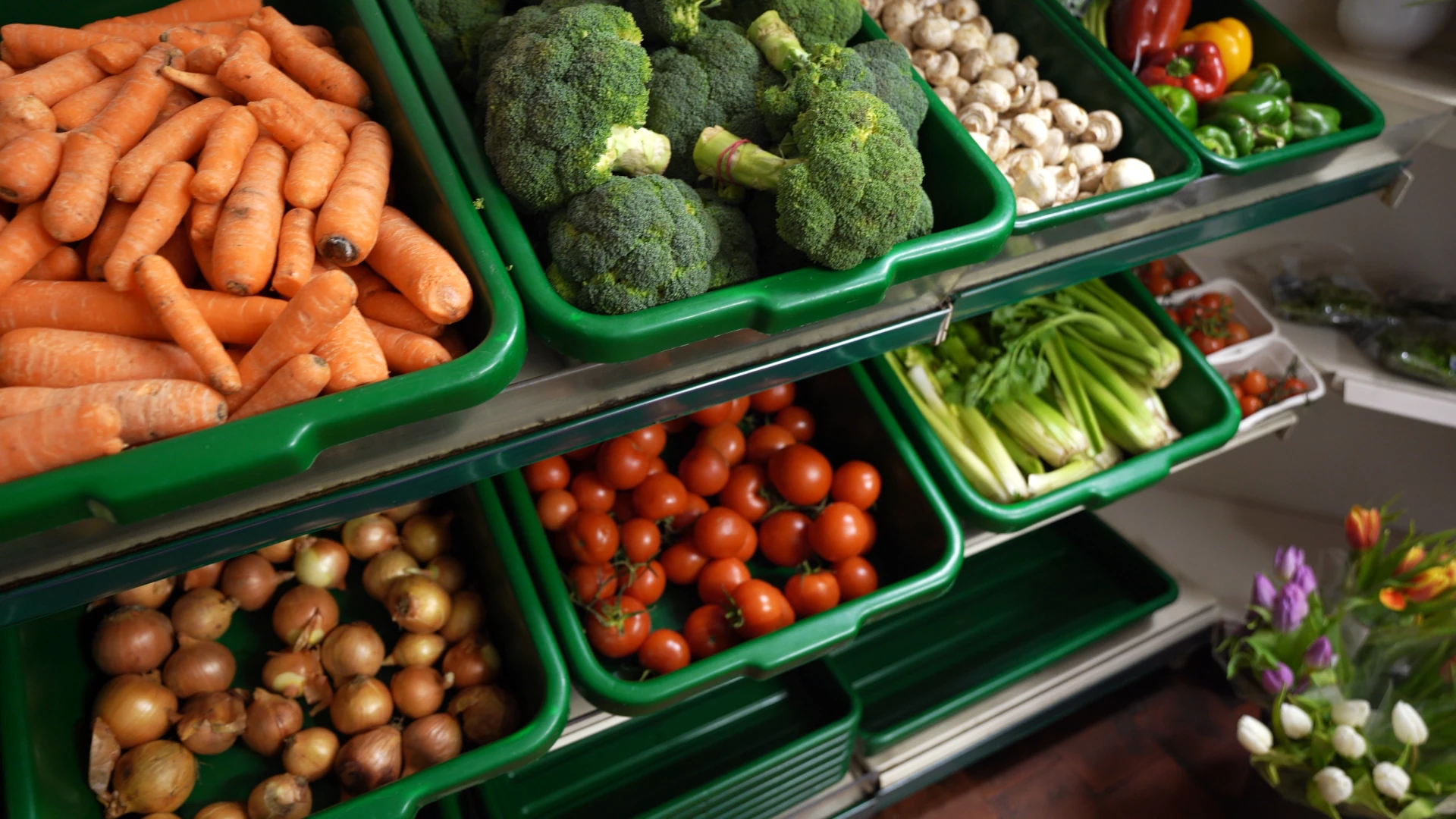
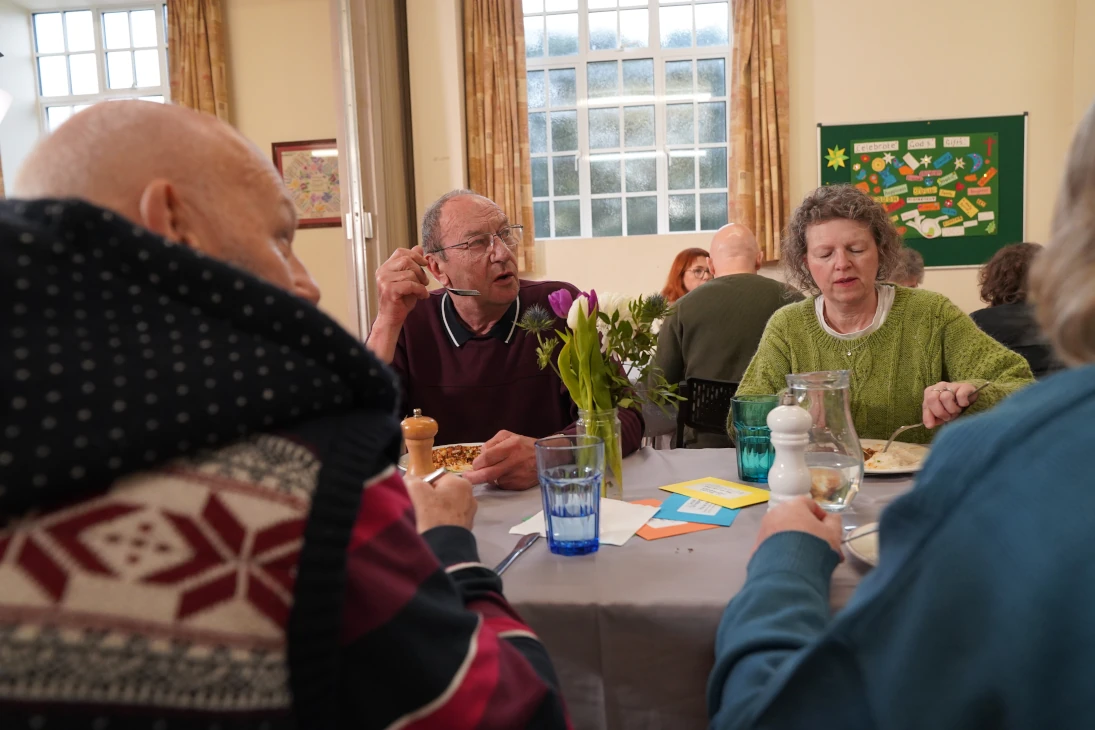
Our team works tirelessly to intercept perfectly good surplus food from local suppliers – food that would otherwise end up in landfill – and redistribute it to those who can use it. This takes place either through freshly prepared meals served in our Saturday Community Café or as groceries available via the Pantry or Community Fridge.



Our Mission
We are an environmental initiative driven by the belief that the needless waste of food must come to an end. By providing local residents with access to this surplus food, we aim not only to extend the reach of food that is produced but also to strengthen the bonds within our community.
For us, food isn’t just nourishment but a way of bringing people together and meeting new friends. Whether it is through a shared meal or a bag of groceries, every act of redistribution helps to foster connection among neighbours.
Our Story
In 2015, a group of residents inspired by the Real Junk Food Project, began gathering surplus food from local suppliers. They transformed this rescued food into freshly prepared meals for the community, which they served in the hall of Barn Hill Methodist Church, bringing people together in the process. This marked the beginning of the Community Cafe.
There were still leftovers that could be used by the community. The church came to the rescue again, offering storage space by which the group could distribute surplus provisions. This space, once known as the Bunker and now called the Pantry, quickly became operational.
For more than a decade, we’ve been supporting Stamford residents every week, offering perfectly good food to anyone who needs it. Our efforts continued through the COVID lockdown – we were given special permission by the council to stay open to help residents access food at this challenging time. We continued collecting food safely and adapted our practices so that people could safely shop for food while keeping socially distanced. We even cooked ready meals for key workers to collect.
How it works
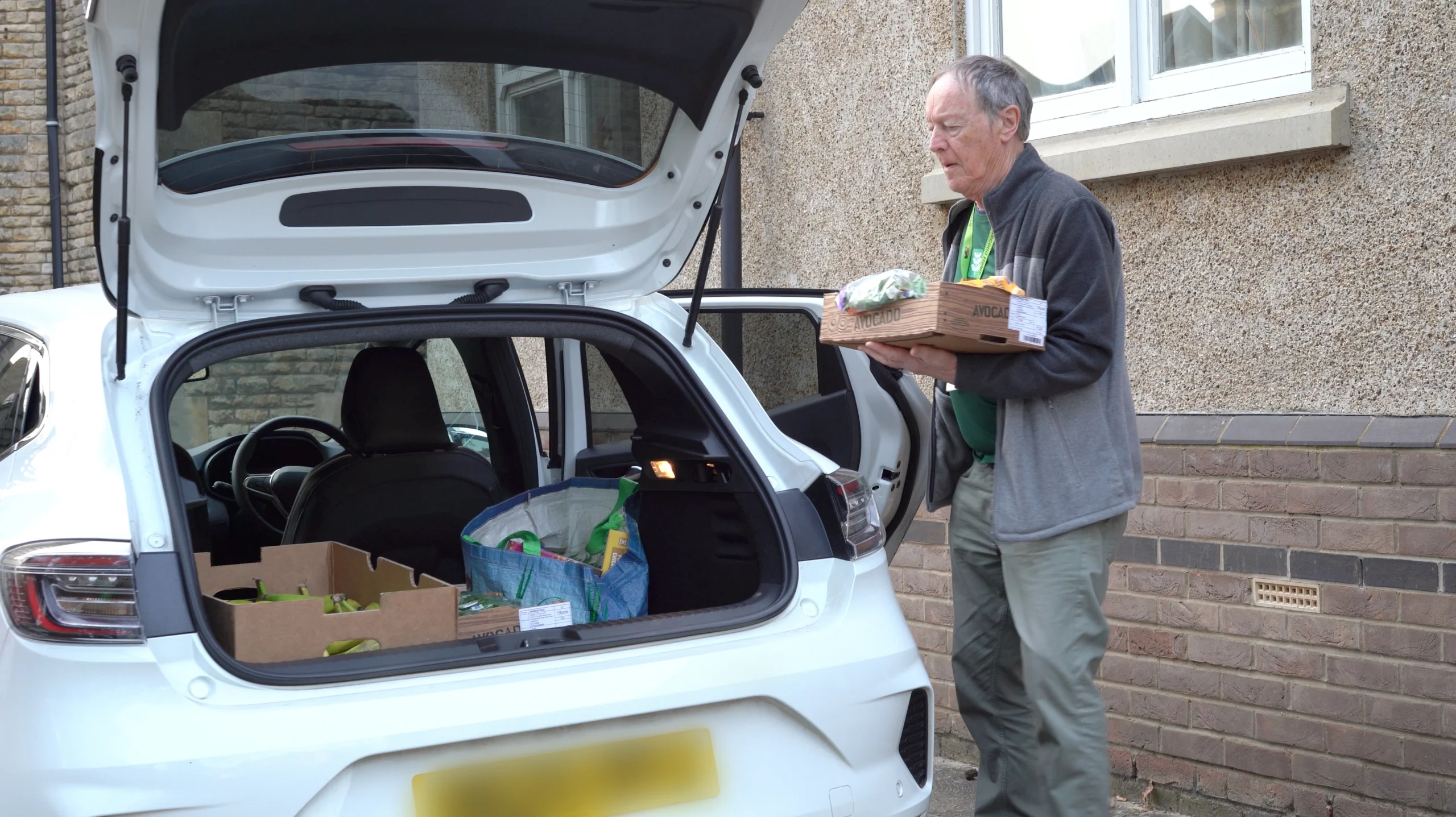
Each evening our team of collectors visits suppliers, collecting food they no longer need, only accepting the best food that can be passed on to our customers. The food is weighed and sorted, stored appropriately so it is ready to be stocked in the Pantry or turned into delicious dishes in the Community Cafe by our cooks. Customers visit and use our services paying what they feel or can afford.
Our Saturday Café
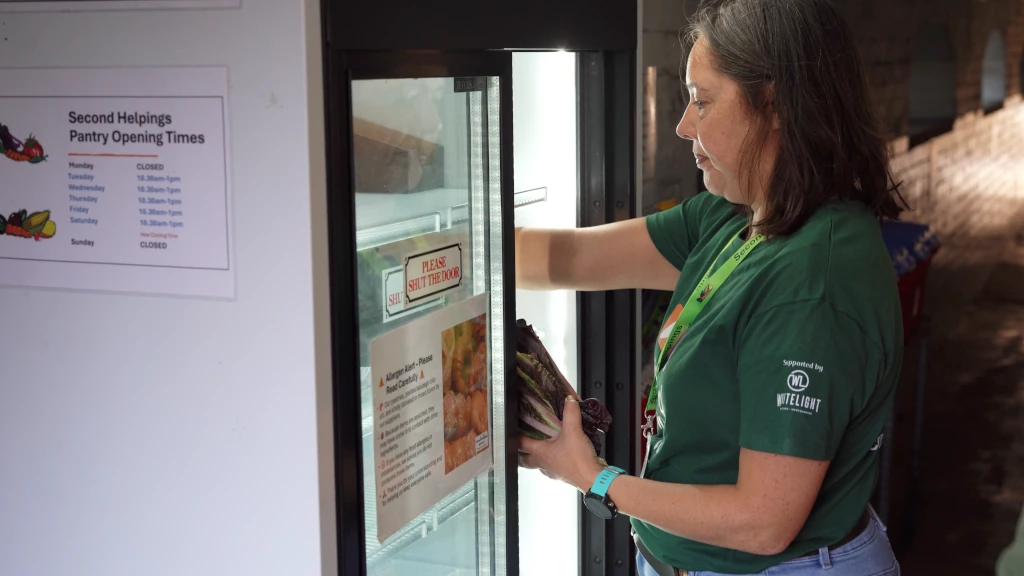
Community Fridge

Pantry
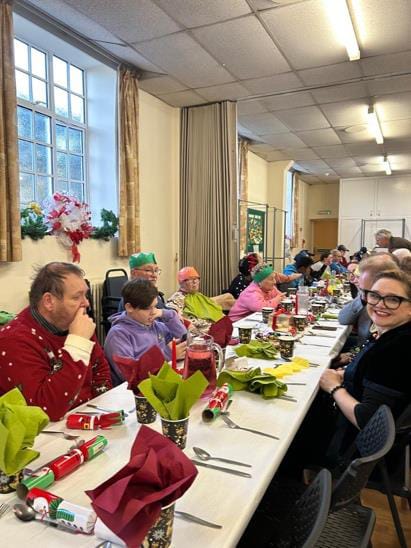
Outreach projects and community events

Pay as you feel
While the food we collect is donated for free, just like a business we have overheads we must cover. We need to pay for utilities. We provide PPE and cleaning materials to ensure we maintain hygiene levels. We also pay the church to use the hall and kitchen. This is why we ask for donations from our customers of whatever they can afford or for what they feel is representative value for the supplies they are taking home or the meal they’ve enjoyed.
Our food is available to everyone – whether you’re facing financial challenges or simply wanting to reduce waste by making the most of using perfectly good food. Every donation – big or small – keeps the lights on and the cookers firing, and ensures we can keep making a difference in our community.

What makes us different
At Second Helpings, we don’t just rescue food – we make sure everything we do is safe, responsible, and respectful. Getting good food into the community is a priority, but so too is protecting our volunteers, our guests and the food we share. Strong, simple processes help us run safely, sustainably and with dignity for everyone who walks through our doors.

Not a food bank

Pay as you feel

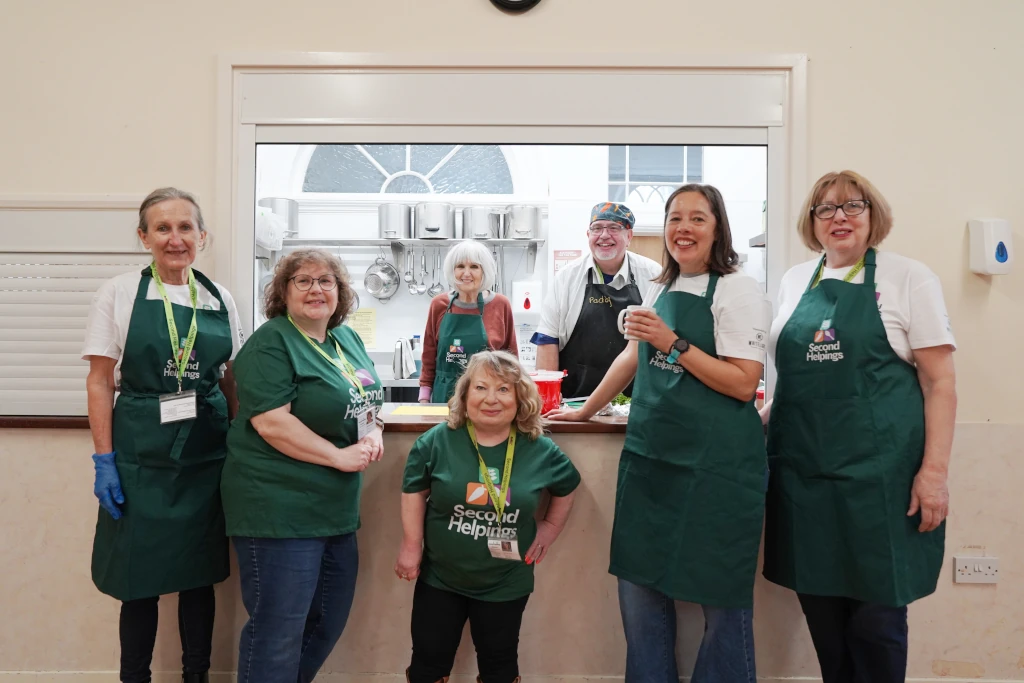
Volunteer run

Community focused

Environmental impact
Here’s how we do it
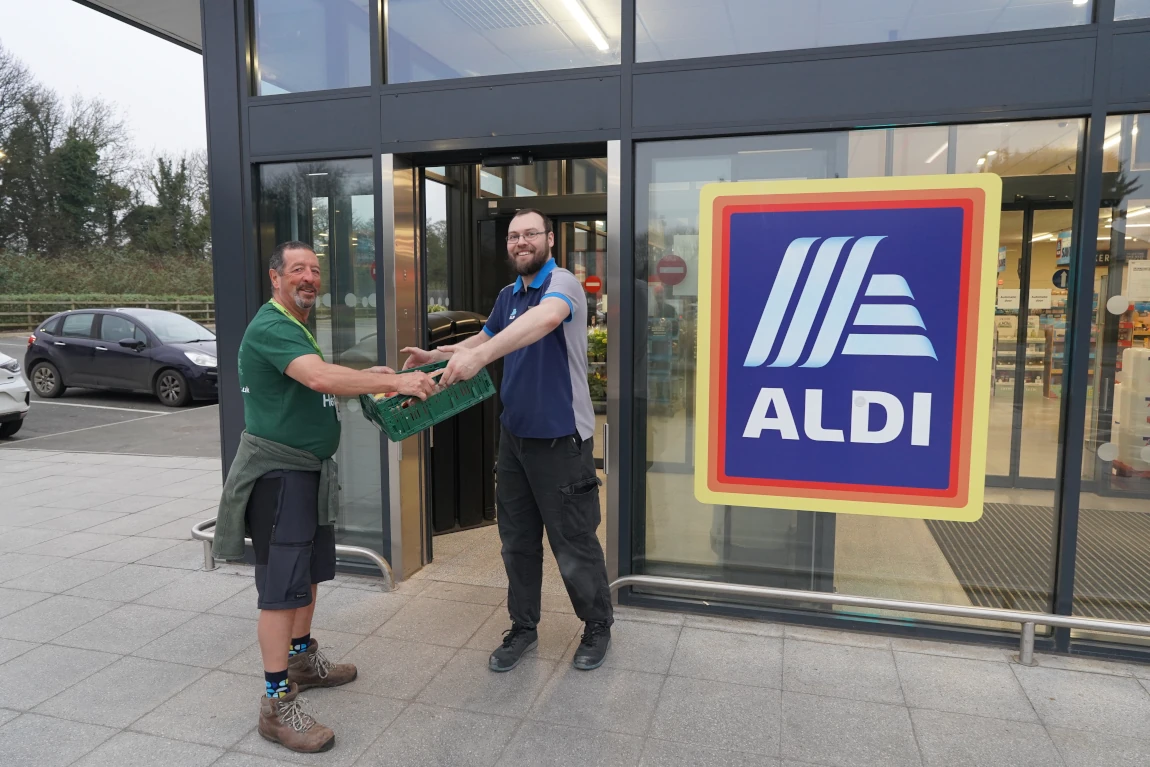
We make sure all our food is safe to use
We treat all the food we collect with care from the moment it arrives. We follow clear safety steps, such as proper storage and regular temperature checks, and everything is sorted so only the best food goes on the shelves or into our meals.
We have a
well-trained volunteer team
From Food Safety and Hygiene, to Manual Handling and Safeguarding, every volunteer completes the relevant training before they start work. This means everyone knows what to do, feels confident and can work safely as part of the team.
We put people’s
safety first
Safeguarding is central to how we operate. All volunteers undertake a Safeguarding course so they know how to recognise and report concerns. Everyone also has direct access to our dedicated safeguarding team.
We take compliance seriously
From data protection, onboarding volunteers to food safety and safeguarding, our systems are clear and easy to follow. This builds trust with our volunteers, guests, and food partners.
FAQs
Is Second Helpings a food bank?
No. Food banks require a referral or voucher from a professional body to allow access to their services Anyone can access food from Second Helpings on a pay-as-you-feel basis. The main goal of Second Helpings is to prevent unnecessary food waste by making sure good quality surplus is used rather than discarded.
What is surplus food? Is it waste food?
No. It is a specific technical term in the food industry, environmental sector and food‑waste legislation. It is edible food that is no longer required by the business that produced it.
Where does surplus food come from?
We gratefully receive or collect food from supermarkets, farms, local eateries or wholesalers. Wherever has unwanted food that is before its use-by date, we’ll gladly take it. It can come from any stage of the food supply chain – anywhere food is produced, processed, transported or sold. The key point is that it’s still safe and edible, but for whatever reason a business can’t sell or use it.
How does surplus come about?
Surplus is created for reasons such as:
- Overproduction – more food made than needed
- Forecasting errors – demand lower than expected
- Cosmetic standards – food is the wrong shape/size/colour
- Packaging errors – mislabelled or damaged packaging
- Short shelf life – too little time left to sell
- Retail rules – product removed at ‘display until’ or ‘best before’
- Seasonal peaks – Christmas, Easter, BBQ season, etc.
- Logistics issues – delivery delays, cancelled orders
All of this food is perfectly good to eat.
How does Second Helpings help the community?
We make the food we collect available to any member of the community via the Pantry, Community Fridge or the Saturday Community Cafe. We support local projects with food, such as Evergreen, Mindspace and the HAF holiday clubs. We also have a large notice board outside the Pantry displaying information about community services and local council support.
Who can access our food?
Anyone! We welcome everyone, from those struggling with the cost of living, to those who are not. All we ask is that people pay as they feel and can afford for the services we offer.
Who can come to the Saturday Community Cafe?
Again, anyone and everyone! All members of the community are welcome. Just turn up on a Saturday to the Barn Hill Methodist Church hall at 12pm and grab a plate. We believe a home-cooked meal is a great way to bring together people from all walks of life. All we ask is that people pay as they feel for the fantastic three-course meal we serve.
We also offer a dedicated meeting space for groups of up to 30, where we serve a three-course meal on a pay-as-you-feel basis. If you’d like to have your group meeting catered by us, email hello@seondhelpings.org.uk
What can I eat at the Community Cafe?
We serve 3 seasonal courses: a soup, meat and veggie mains, and a pudding plus pastries or fruit. You can properly fill up, so you can save your money feeding the family, and your time prepping and washing up if you dine with us.
Can I donate my leftover food?
To keep everyone safe, we cannot accept home‑cooked leftovers, opened packets, food past its use‑by date or anything that has been put out on a buffet. We also need to know the origin of all the food we pass on and if it has been frozen at any point. We have to be confident that any food we put back into the community has been stored correctly.
The exception, though, is if you’re a gardener or allotment owner – we’d love to receive any seasonal gluts you can spare! Email us at hello@seondhelpings.org.uk to arrange delivery.
How can I help?
We are always looking for enthusiastic and friendly people with a can-do attitude who share our ethos of reducing waste, supporting the community and making everyone feel welcome. Whatever your skills we can put them to good use. The great thing about the work we do is that, whether you have availability in the day or in the evenings your time will always be welcome. Check out the Volunteer section for specific roles we need to fill or email us at hello@seondhelpings.org.uk if you would like to have a chat or a show round.
How can my business help?
You can support Second Helpings by donating surplus food, offering staff volunteering days, sponsoring equipment or projects, or helping with fundraising. Whether it’s regular surplus food donations, one‑off support or resources, every contribution helps us reduce waste and strengthens our community. Check out our Suppliers page to find out how.